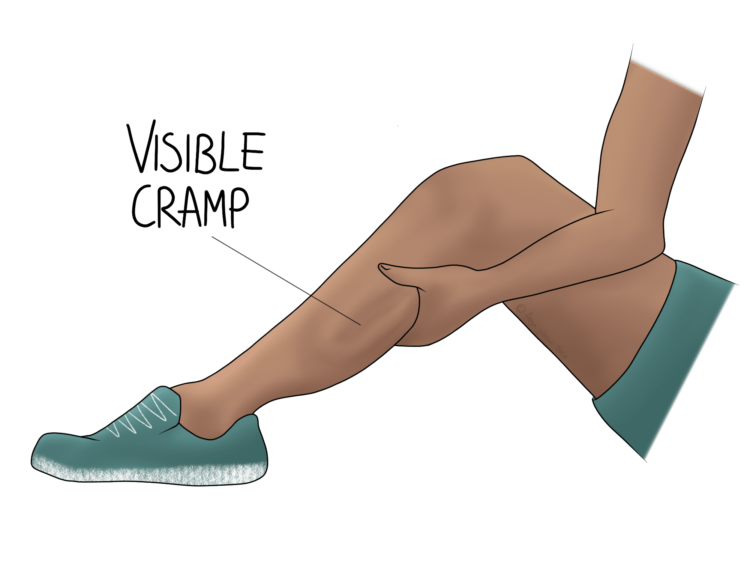
Cramps are a common, usually mild and brief ailment. For some people, they become too frequent or significant to ignore. If this sounds like you, your osteopath may be able to help.
Who Suffers from Cramps?
Athletes are one of the most affected groups. There seem to be links between symptoms and overtraining, so gradual increase of exercise may be a good prevention method. Both intensity and duration of exercise can be built up slowly in an effort to reduce cramping. Although hydration is important for everyone, replacing fluid and electrolytes lost to exercise does not appear to improve frequency of episodes.
There are a few stages in life when cramps are more prevalent, such as during pregnancy and in later life. In both of these periods, cramping is most common overnight, often causing disruption to sleep as it can help to get up and stretch. Despite high rates of cramps among athletes, exercise has been shown to be effective in managing cramps among the over 60s.
Causes and Treatment
In the past, exercise related cramp was explained by dehydration or electrolyte imbalance. These theories have since been mostly disproven. The current most supported theory to explain cramp is neurological. Just like muscles can become fatigued, so can nerves. In this state, the nerves can misfire, accidentally sending signals to muscles to contract.
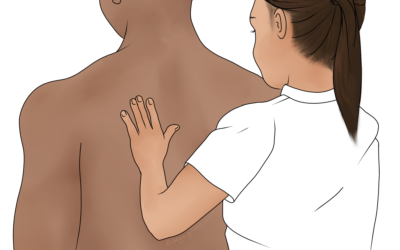
When we treat muscles, using techniques like massage or resisted exercise, we’re not breaking down fibres. It’s a common misconception that muscles get tight because of scarring. This is not the case without some sort of injury. Massage itself works by treating the nervous system. The reason a muscle is tight in the first place is that the brain is telling it to engage. Treating a muscle means standing a signal to the brain to ask it to disengage.
So it makes sense, if treating massage is really treating the nerves, that cramps would respond too. This theory can be applied to management at home too. It’s not always easy to self-massage any given area, but there may be similar results from other techniques. Using a foam roller on the legs can be a good alternative to massage. You can also upgrade your usual stretches by engaging the muscle first- it may seem counterintuitive, but this can make it easier for the muscle to relax.
Research on manual therapy for cramps in the over 60s has been promising. Alongside osteopathy, it may be worth asking your GP for a medication review. Some medications like statins and diuretics (water tablets) are associated with cramps. People who suffer from diabetes or kidney disease are also more likely to suffer from cramps.
Management of Cramps
Cramps are typically short-lived, unpredictable, or nocturnal. In any case, it’s unlikely that they’ll happen while you’re in the treatment room. Your treatment plan will need to involve things that you can do outside the clinic. Stretches and self-massage techniques can provide first aid during an episode, or help to prevent in some cases. As mentioned above, general exercise can also help to prevent symptoms in some people. We can help you develop an appropriate exercise plan.