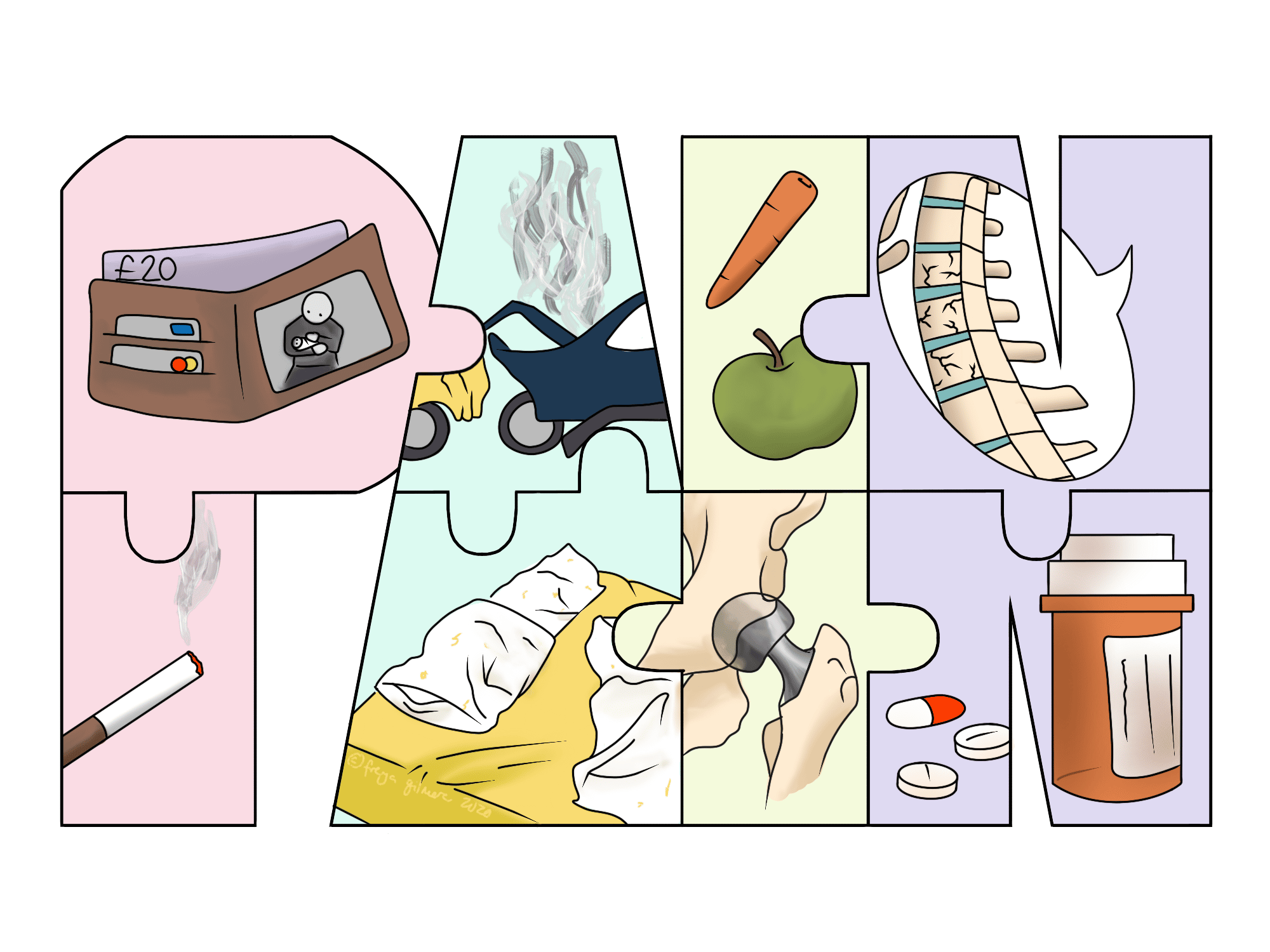
The word “chronic” is often misused to mean “intense”. Its real meaning is about duration, and the medical definition of chronic pain is pain that lasts more than 3-6 months.
The reason this milestone is significant is that it is longer than most physical injuries take to resolve (even if not fully). So the lingering pain may no longer be proportional to the structural issue that it related to originally. Of course this is not true for all conditions. Progressive conditions such as osteoarthritis do not spontaneously resolve within this timeframe, so a distinction is made between the two types of chronic pain:
Primary Chronic Pain
Primary chronic pain is pain with no clear underlying cause. Alternatively, it could be linked to something else but the pain experienced seems disproportionate to it. Often we see patients who originally had seemingly simple lower back pain with this kind of chronic pain. Although back pain can come and go or last for quite a while, it can tip over into chronic pain when symptoms do not improve as expected, or sometimes as they get worse.
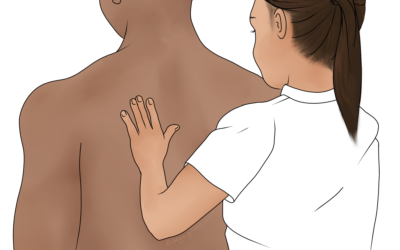
Your osteopath can assess your back to see if there does seem to be something going on to cause the pain. Whether there is or is not, we can start to treat the area to manage the pain, while looking at the rest of the body to see what else might be playing a role in your symptoms.
Secondary Chronic Pain
This is the kind of pain that can be easily explained by something else (such as arthritis or neuralgia). As it has lasted for months, it may also be more complicated than more acute pain. However not everyone who suffers with long term pain due to another condition, suffers with these complexities.
For long term painful conditions like osteoarthritis, your osteopath can work to address the root cause, improving general joint health and mobility with an aim to improve or slow the progression of the arthritis. We can also use pain science techniques to address any features of your presentation that are more complex.
An Osteopathic Approach
New UK guidelines have moved the medical approach away from routine painkiller use for chronic pain, which may lead patients to start to look elsewhere for a new management method. Osteopaths consider the body and mind as a whole, and this is even more important for conditions like this. Biological or mechanical factors play a role in how the body and brain process pain, but so do psychological and social factors. It is well documented that people who are educated about their pain have better outcomes than those who are not given that support. You can expect your osteopath to give you as much information as you would like about your pain, as we understand the importance of having this knowledge and power over your pain.
When pain becomes chronic, it can also come with hyperalgesia (hypersensitivity to pain) and allodynia (pain from things that are not normally painful). There are techniques we can use to try and desensitise the nervous system and address these reactions. If your pain is considered secondary, we may also be able to help with the underlying condition.
Make an appointment online to manage your chronic pain in Horley or Crawley