Pain is complicated, and the way the brain interprets it is dependent on a vast number of different factors. Hormones are included in these factors, so it’s important for your osteopath to know your full medical history. Inversely, sometimes pain is the first sign that something hormonal has changed, so it might be your new symptoms that lead to a diagnosis of a hormonal imbalance.
Thyroid Hormones and Pain
Thyroid dysfunction causes such a broad range of vague symptoms that it can be completely overlooked. Both an underactive and overactive thyroid are associated with a loss of libido, muscle weakness, and changes to digestion.
In terms of pain, hypothyroidism (low thyroid hormones) can cause:
- muscle cramps
- aching muscles
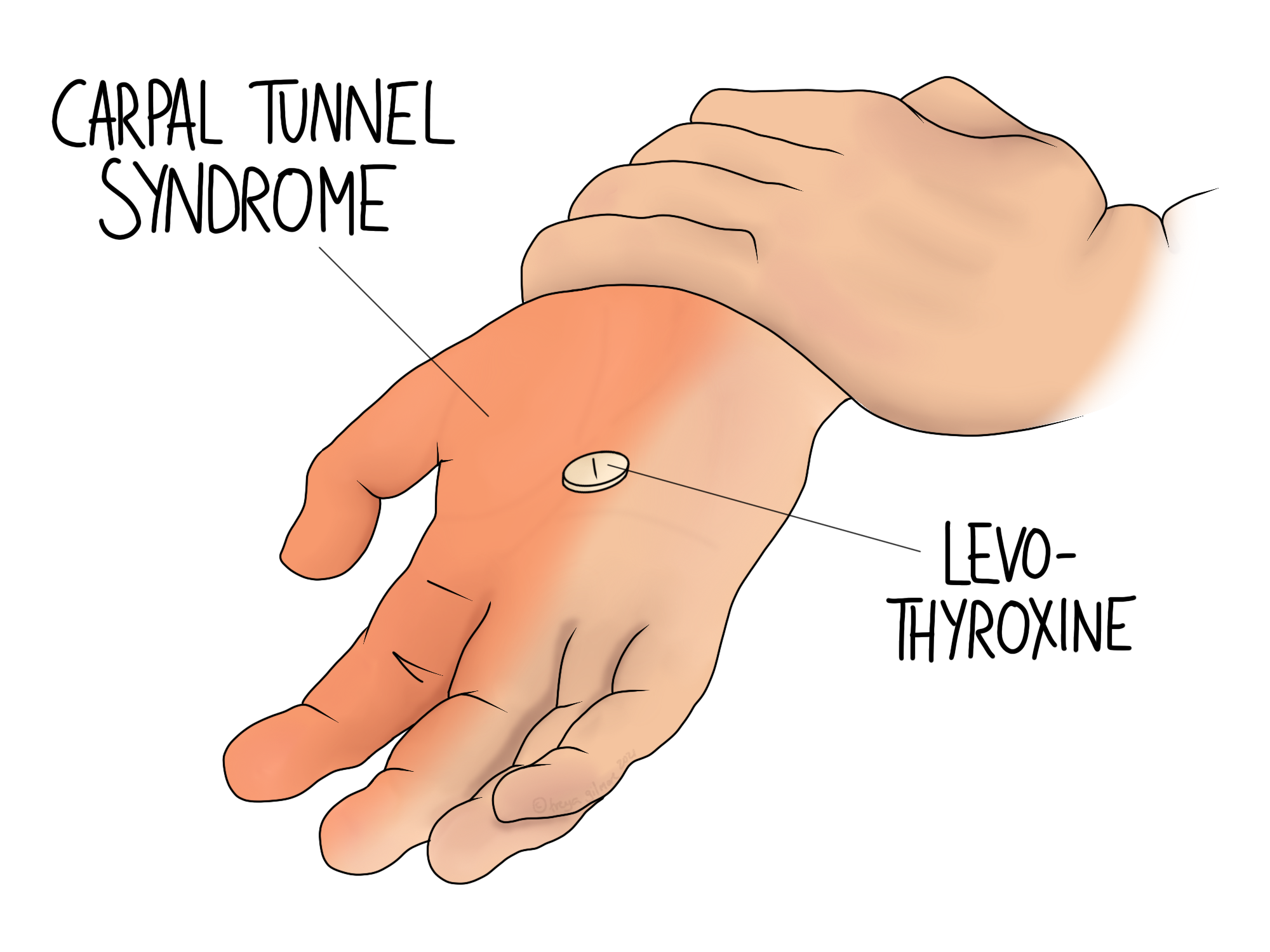
- carpal tunnel syndrome
Carpal tunnel syndrome causes hand pain, weakness, numbness, and pins and needles. Sometimes it is caused by repeated pressure on the wrist, as with resting your wrist on a desk while typing. Other times it is influenced more by pressure from within the wrist, such as fluid retention. Knowing that your symptoms have a strong hormonal element means that we won’t spend too long looking for mechanical factors for your hand pain. It may also explain similar symptoms elsewhere in the body.
With hypothyroidism you may also notice that you are unable to move as easily or quickly as you used to, and that you are particularly sensitive to cold temperatures. Read more about the extensive symptoms of hyper– and hypothyroidism on the NHS website. Both can be caused by autoimmune conditions, but hyperthyroidism is also associated with some medications and pregnancy. Either condition can be diagnosed with a blood test.
Menopause
You may have found throughout your menstruating years that there was a pattern to your pain sensitivity throughout the month. For example, some people report that plucking their eyebrows is much more comfortable around the middle of their cycle. As their period approaches, the same stimulus becomes too painful. It seems that oestrogen may make us less sensitive to pain, which would explain why the menopause can come with lower tolerance to pain. The menopause itself may also be pro-inflammatory, which might answer why some inflammatory conditions are more likely to occur around this age.
Beyond potential changes in pain processing, the menopause also increases the risk of low bone density (osteopororis and osteopenia) and associated fractures. It’s also harder to maintain muscle mass after the associated hormones drop, which may predispose more aches and pains. Fortunately, both bone density and muscle mass respond well to exercise, so find an exercise you love and make a habit of it.
New practice standards (July 2022) recommend that women presenting with menopause symptoms should be offered support and advice throughout this stage, so don’t feel you have to just get on with it.
Osteopathy and Hormones
It is your osteopath’s job to support your health fully, and to understand all relevant aspects of your health. With the knowledge of any underlying hormonal changes, we can better tailor your management plan to suit you. This might mean changing the techniques used, or focusing more on preventing new issues with advice for exercise at home. As we have the luxury of time and we might be seeing you quite frequently, we are also in a good position to identify things that might warrant further investigation. This could potentially lead to a referral or diagnosis that makes sense of your other symptoms.
Click here to make an appointment for your hormonal aches and pains in Horley or Crawley.